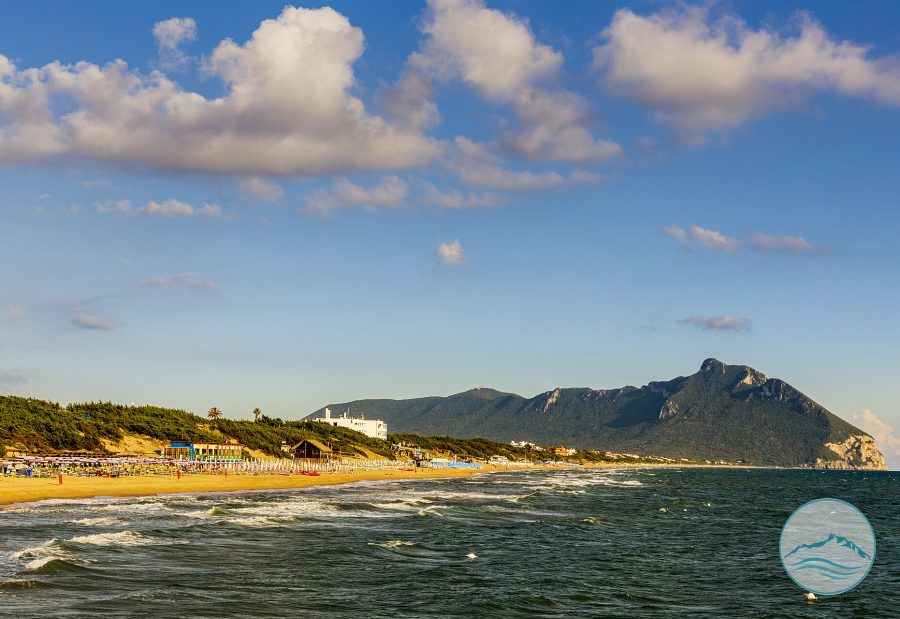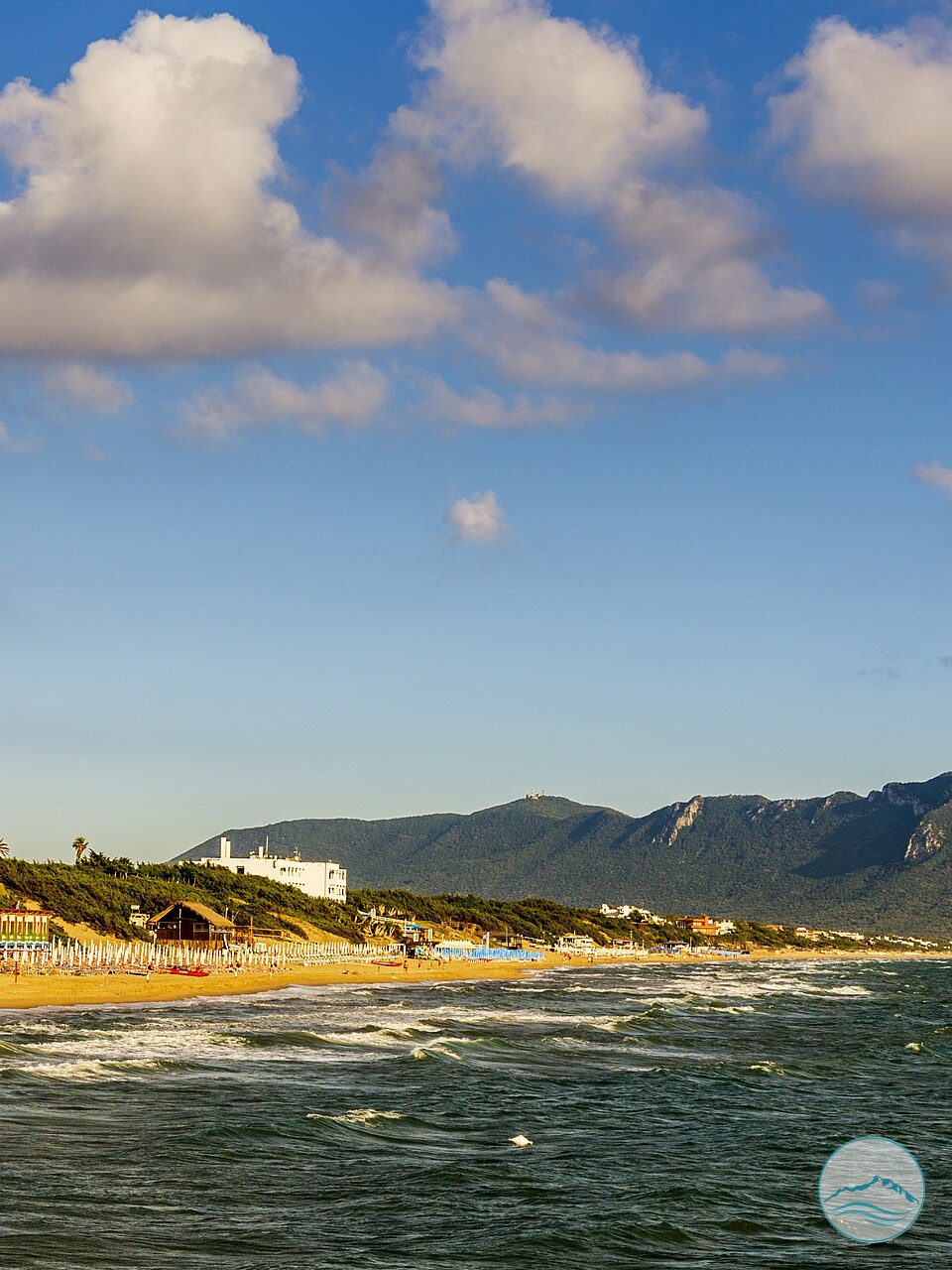
Small coastal pine wood near San Felice Circeo, a shaded green space that is an important public area with facilities.
A park is a large area of land, usually with plants, set aside for particular uses. In the Middle Ages a park was essentially a cultivated or uncultivated area attached to a castle and used as a game reserve, where there might also be aviaries and fountains. In the Renaissance it was attached to noble villas and open to all, as opposed to the garden, which was private. Besides embellishing the area, it also contained buildings such as stables, greenhouses, staff housing and game-breeding facilities. English-style parks developed in the 18th century, the first created in London by J. Nash (St James’s Park). In the 19th century the famous architect James Paxton spread a true public park movement, which reached Paris, Sweden, the Netherlands and Denmark, crossed the ocean to America (e.g. Central Park), and reached the Far East and Eastern Europe.
This public park follows the original principles behind such places: easy to reach, on flat ground, with parking, children’s play equipment, a sports area, a fitness trail, a roller-skating rink with basketball hoops and a drinking-water fountain. The people of San Felice call it “La Pinetina” (the little pine wood), because it lies in the shade of stone pines (Pinus pinea), a species typical of the Mediterranean basin. The pine wood was planted in the 1950s, and the square is named after Mayor Italo Gemini (in office from 1956 to 1962), in memory of the many public works he carried out, including the nearby Church of the Immaculate Conception. A bronze bust in his honour stands in the centre of the park.